

This guide focuses on what modern operators actually need, then lists strong software options that are widely used for HACCP, FSMS, inspections, temperature monitoring, audits, and traceability.
What should modern food businesses expect from digital food safety software?
They should expect faster compliance, fewer missed checks, and clearer accountability. Good systems replace paper with structured tasks, real-time alerts, evidence capture, and audit-ready reporting.
At minimum, they need mobile-friendly inspections, configurable HACCP plans, corrective actions, photo attachments, and a clean audit trail. Better platforms also add role-based permissions, multilingual support, offline mode, and analytics that show repeat failures by site, line, or team. Learn more about digital food safety software to understand how modern systems improve visibility, control, and audit readiness.
Which features matter most when comparing food safety platforms?
The most important features are the ones that reduce risk and save time during audits. If a platform cannot reliably collect records and retrieve them quickly, it becomes a liability.
Key features to compare:
- Digital checklists and SOPs with version control
- HACCP/FSMS workflows and verification steps
- Corrective actions (CAPA) with owners, deadlines, and evidence
- Temperature logs (manual and automated integrations)
- Audit trail that is tamper-evident and time-stamped
- Reporting for trends, non-conformances, and compliance rates
- Integrations with sensors, ERP, POS, or identity providers
- Multi-site management with central templates and local variation
Which digital food safety software is best for multi-site operations?
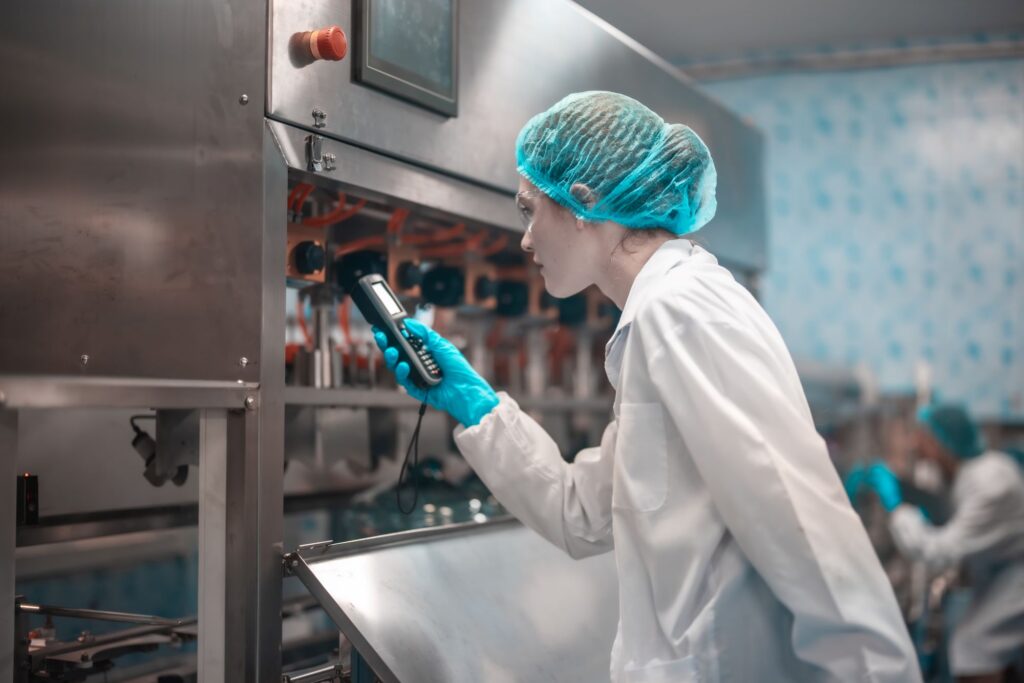
For multi-site operations, platforms that combine inspections, tasks, CAPA, and analytics tend to work best because they keep headquarters and sites aligned. Many businesses shortlist SafetyCulture, Paragon, and SMRTR for this reason.
SafetyCulture (iAuditor) is often chosen for scalable inspections and operational compliance. Paragon is strong in supplier and specification management for broader quality programs. SMRTR is typically evaluated when compliance workflows need to connect with wider business process automation.
Which software options are worth shortlisting right now?
These options are commonly considered by modern food manufacturers, distributors, restaurants, and retail operators. The best choice depends on whether they need inspections-first simplicity, full FSMS depth, supplier management, or tightly integrated automation.
SafetyCulture (iAuditor)
They often choose SafetyCulture when they want fast rollout of digital inspections, issue management, and audit-ready reporting. It is known for flexible checklist building, mobile usability, and strong visibility across sites.
It typically fits businesses that need consistent daily execution: opening checks, CCP monitoring, cleaning verification, internal audits, and corrective actions.
FoodLogiQ
They shortlist FoodLogiQ when traceability and supplier compliance are central. It is widely associated with transparency across the supply chain, document collection from suppliers, and recall readiness.
It can be a strong fit for brands and retailers that manage many suppliers and need evidence on demand.
SafetyChain
They consider SafetyChain when they want a more comprehensive food safety and quality management system. It is commonly evaluated for HACCP, quality events, supplier quality, and deeper compliance workflows.
It tends to suit manufacturers who need structured programs, approvals, and system-enforced controls.
Intelex (Quality and EHS)
They look at Intelex when they want a platform that spans quality, safety, and broader risk management. It is often used in regulated environments that require consistent incident handling, CAPA, and reporting.
It can make sense for larger businesses that want one system to support multiple compliance programs.
Paragon (Supplier and specification management)
They often shortlist Paragon when supplier approval, specifications, and compliance documentation are painful to manage at scale. It is typically associated with controlling product and supplier data across complex networks. For organizations optimizing governance workflows, explore supplier compliance and product data management solutions for deeper operational alignment. It can be a good fit when food safety performance depends heavily on supplier governance and spec accuracy.
SMRTR (Compliance and automation workflows)
They consider SMRTR when they want to connect compliance activities to broader operational automation. It is typically evaluated by businesses that want to standardise processes across departments, sites, or partners.
It can be relevant where food safety evidence, approvals, and documentation need to move through repeatable, automated workflows.
ComplianceMate (temperature and task compliance)
They often consider ComplianceMate for temperature monitoring programs and task execution, particularly in foodservice environments. It is known for helping teams stay on schedule and documenting completion.
It can fit operations that need dependable logs, alerts, and simple accountability for hourly or daily checks.
How should they choose between inspections-first tools and full FSMS platforms?
They should choose based on risk complexity, audit pressure, and how much the system needs to enforce policy. Inspections-first tools are often faster to deploy, while full FSMS platforms can provide stronger governance.
If they mainly need reliable records and corrective actions, inspections-first may be enough. If they need formal approvals, supplier quality, specifications, and rigorous program control, a fuller FSMS platform is usually the better long-term fit.
What questions should they ask during demos to avoid a bad purchase?
They should ask questions that reveal real-world performance, not just features on slides. The goal is to confirm that teams will actually use it and auditors will accept the output.
Useful demo questions:
- Can they build HACCP/CCP checks with required fields and lockouts?
- How do corrective actions work end-to-end, including verification?
- Can sites work offline, and how is data reconciled?
- What does the audit trail show, and can records be edited?
- How fast can they export records for a specific date, line, and product?
- Can templates be centrally controlled without breaking local workflows?
- What integrations exist for sensors and existing systems?
- What does implementation look like for multi-site rollouts?
How do they implement food safety software without overwhelming teams?
They should start with the highest-risk, highest-frequency processes first. That usually means CCP checks, temperatures, sanitation verification, and internal audits.
They should keep templates short, use clear pass-fail logic, and assign ownership for corrective actions. A small pilot site can refine workflows before rolling out broadly. Training should focus on the exact screens teams will use, not generic platform tours.
What is a practical shortlist for different types of food businesses?
They can narrow quickly by matching the platform to operational reality. A perfect system that teams do not use will fail an audit just as quickly as paper.
A practical shortlist:
- Multi-site retail and operations: SafetyCulture, SMRTR
- Supplier-heavy brands and retailers: FoodLogiQ, Paragon
- Manufacturers needing deeper FSMS controls: SafetyChain, Intelex
- Foodservice temperature and task programs: ComplianceMate, SafetyCulture
What is the best next step after reading this?
They should pick two or three tools from the shortlist, request demos, and test one real workflow from start to finish. The right choice is the platform that their teams can complete in seconds, and their auditors can trust in minutes. This decision is often guided by digital food safety audit transformation, where speed, usability, and audit trust define platform success.
FAQs (Frequently Asked Questions)
What benefits should modern food businesses expect from digital food safety software?
Modern food businesses should expect faster compliance, fewer missed checks, and clearer accountability from digital food safety software. Good systems replace paper with structured tasks, real-time alerts, evidence capture, and audit-ready reporting. Essential features include mobile-friendly inspections, configurable HACCP plans, corrective actions, photo attachments, and a clean audit trail. Advanced platforms also offer role-based permissions, multilingual support, offline mode, and analytics to identify repeat failures by site, line, or team.
Which key features are most important when comparing digital food safety platforms?
The most critical features reduce risk and save time during audits by reliably collecting records and enabling quick retrieval. Important features to compare include digital checklists and SOPs with version control; HACCP/FSMS workflows and verification steps; corrective actions (CAPA) with owners, deadlines, and evidence; temperature logs (manual and automated integrations); tamper-evident and time-stamped audit trails; reporting for trends and non-conformances; integrations with sensors or ERP systems; and multi-site management with central templates allowing local variations.
Which digital food safety software is best suited for multi-site food operations?
For multi-site operations, platforms that integrate inspections, tasks, CAPA (corrective actions), and analytics work best to align headquarters with individual sites. Popular choices include SafetyCulture (iAuditor) for scalable inspections and operational compliance; Paragon for supplier and specification management within broader quality programs; and SMRTR when compliance workflows need to connect with wider business process automation.
What are some top digital food safety software options recommended for different operational needs?
Recommended options vary based on specific needs: SafetyCulture (iAuditor) excels in fast rollout of digital inspections and issue management; FoodLogiQ focuses on traceability and supplier compliance across the supply chain; SafetyChain offers comprehensive FSMS depth including HACCP and quality event management; Intelex supports quality, safety, and environmental health & safety risk management in regulated environments; Paragon specializes in supplier approval and specification control at scale; SMRTR connects compliance activities with operational automation workflows; ComplianceMate is ideal for temperature monitoring programs in foodservice settings.
How should food businesses choose between inspections-first tools versus full FSMS platforms?
Choice depends on risk complexity, audit pressure, and enforcement needs. Inspections-first tools are quicker to deploy and suitable when reliable records plus corrective actions suffice. Full FSMS platforms provide stronger governance with formal approvals, supplier quality management, specifications control, and rigorous program enforcement—better suited for complex operations requiring comprehensive compliance management.
What key questions should be asked during software demos to ensure a good purchase decision?
During demos, ask questions that reveal real-world usability rather than just feature lists. Important inquiries include: Can the system build HACCP/CCP checks with required fields and lockouts? How do corrective actions function end-to-end including verification? Is offline work supported and how is data reconciled afterward? What details does the audit trail provide? Can records be easily accessed for audits? This helps confirm the platform will be used effectively by teams and accepted by auditors.